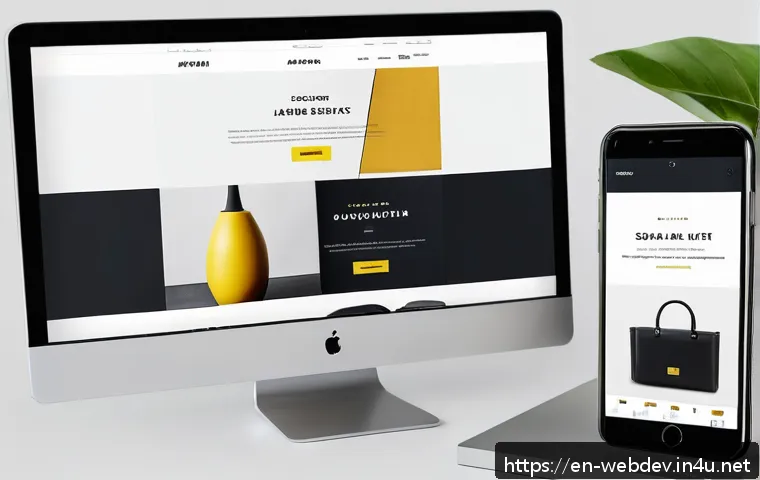
Breaking into the global tech scene as a web developer can be both thrilling and challenging. With remote work becoming the norm and companies worldwide hunting for top talent, now is the perfect time to sharpen your skills and navigate the international job market.
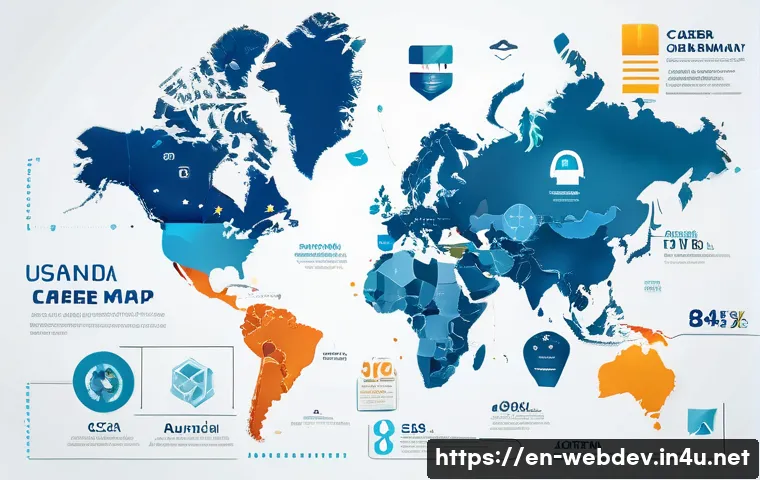
Understanding key trends, visa requirements, and cultural nuances can make all the difference in landing your dream role abroad. Whether you’re aiming for Silicon Valley, Berlin, or Sydney, a strategic approach is essential.
Let’s dive deep and uncover exactly how you can make your overseas web development career a reality!
Mastering the Art of Crafting a Global-Ready Portfolio
Highlighting Projects That Speak Across Borders
Creating a portfolio that resonates with international employers demands more than just listing your projects. It’s about showcasing work that demonstrates versatility, problem-solving, and a clear understanding of global user needs.
For instance, if you’ve developed a responsive e-commerce site tailored for multiple languages or diverse payment gateways, that’s a golden ticket. Employers want to see you’re not just coding in a vacuum but thinking about user experience worldwide.
When I revamped my portfolio, I made sure to include detailed case studies explaining the challenges, solutions, and the technologies used. This narrative approach helped recruiters from different countries grasp my capabilities more vividly.
Using Modern Tools to Enhance Portfolio Visibility
Gone are the days when a simple GitHub link sufficed. Today, integrating your portfolio with tools like Netlify, Vercel, or GitHub Pages can demonstrate your ability to deploy and maintain live projects.
Moreover, leveraging SEO basics on your personal website—like optimized titles, meta descriptions, and fast loading speeds—can significantly increase your chances of being discovered by recruiters conducting web searches.
I personally found that embedding interactive demos and adding blog posts about my coding journey made my portfolio not just a showcase but a resource, attracting organic traffic and opportunities alike.
Tailoring Your Resume and Portfolio for Target Markets
Different countries have distinct preferences in resume formats and portfolio presentations. For example, European employers often appreciate concise CVs highlighting skills and certifications, whereas in the U.S., a blend of achievements and storytelling can work wonders.
Taking the time to research and adapt your documents to these expectations shows cultural awareness and attention to detail—qualities highly valued globally.
In my experience, tweaking the language to suit local jargon or emphasizing particular frameworks popular in the region made a noticeable difference in response rates.
Understanding Visa and Work Authorization Essentials
Common Visa Types for Tech Professionals
Navigating visa categories can feel like a maze, but understanding the basics saves you a ton of headaches. Most countries offer specific tech or skilled worker visas designed to attract developers.
For example, the U.S. has the H-1B visa, which requires employer sponsorship but opens doors to Silicon Valley giants. Canada’s Global Talent Stream allows faster work permit processing for tech roles, making it an attractive destination.
Australia’s Temporary Skill Shortage visa focuses on filling immediate labor shortages, including web development. Knowing these nuances helps you target the right job offers and plan your application timeline effectively.
Tips for Smooth Visa Application Processes
My best advice? Start early and stay organized. Visa paperwork often demands proof of employment, educational credentials, and sometimes even financial statements.
Employers familiar with international hiring can assist with sponsorship documentation, but you should also prepare your documents meticulously. Consulting immigration forums or speaking with a legal expert can clarify specific country requirements.
I once underestimated the processing times for a European Blue Card, which delayed my onboarding by weeks. Lesson learned: patience and preparation are your best allies.
How Remote Work Changes Visa Dynamics
With remote work gaining traction, some companies hire internationally without requiring relocation, sidestepping visa issues altogether. However, working remotely from abroad may still necessitate a digital nomad visa or compliance with local tax laws.
Countries like Portugal, Estonia, and Barbados offer such visas tailored for remote professionals. While this route offers flexibility, it’s crucial to understand the legal implications, including social security contributions and healthcare access.
Personally, I found that blending remote work with occasional travel allowed me to explore multiple markets while maintaining steady income streams.
Building Cross-Cultural Communication Skills for Tech Teams
Adapting to Diverse Workstyles and Expectations
When you join an international team, communication styles can vary dramatically. Some cultures value directness and quick decision-making, while others prefer consensus and extensive discussion.
For example, American teams may expect fast responses and informal interactions, whereas Japanese companies often emphasize hierarchy and formality. Recognizing and adapting to these differences can prevent misunderstandings and foster smoother collaboration.
Early in my overseas career, I joined a German startup where meetings were highly structured and punctuality was sacred—adjusting to that rhythm was a game-changer.
Leveraging Language Skills Beyond Fluency
Fluency in English is often the baseline, but understanding idioms, humor, and cultural references enhances team rapport. I’ve noticed that even small efforts like learning greetings or tech slang from your teammates’ native languages can build goodwill and trust.
Additionally, being patient with non-native speakers and confirming understanding through paraphrasing helps avoid confusion. This emotional intelligence is a soft skill that many recruiters prize just as much as your coding prowess.
Tools That Bridge Cultural Gaps
Technology itself can be a bridge for cultural differences. Tools like Slack, Zoom, and Miro facilitate asynchronous communication and visual collaboration, accommodating different time zones and work habits.
I’ve found that adopting project management platforms like Jira or Trello with clearly defined workflows minimizes ambiguity. Using emojis and GIFs in chats, when appropriate, can lighten the mood and create camaraderie.
These small cultural hacks make remote teamwork feel more human and connected.
Staying Ahead with In-Demand Tech Skills Worldwide
Trending Frameworks and Languages by Region
While JavaScript remains a global staple, certain regions favor specific technologies. For example, React and Node.js dominate the U.S. and Europe, while Vue.js has a strong following in Asia.
Python’s versatility makes it popular everywhere, especially for backend and data-related projects. Keeping tabs on job boards and tech meetups in your target country gives you a real-time sense of demand.
Personally, learning TypeScript alongside JavaScript opened doors in multiple markets, proving that mastering complementary skills pays off.
Certifications and Continuous Learning
Certifications from recognized organizations like AWS, Google Cloud, or Microsoft can boost your credibility internationally. They often serve as proof of expertise and dedication, especially when transitioning to a new job market.
Additionally, participating in hackathons, contributing to open-source projects, or publishing technical blogs shows ongoing engagement with the tech community.
I found that combining certifications with real-world projects in my portfolio created a compelling narrative for recruiters.
Balancing Specialization and Versatility
Nailing down a niche can make you stand out, but being too specialized might limit opportunities in smaller markets. For example, specializing in e-commerce development or mobile-first applications can be advantageous if that sector is thriving in your destination country.
However, maintaining a versatile skill set allows you to pivot as market demands shift. In my case, balancing front-end expertise with some backend knowledge gave me flexibility and increased job security.
Networking Strategies to Unlock Hidden Opportunities
Engaging with Local Tech Communities Online and Offline
Joining meetups, hackathons, and tech conferences—even virtually—can expose you to local trends and hiring managers. Platforms like Meetup.com or Eventbrite are great for finding events tailored to your target cities.
When I first targeted Berlin, attending their virtual JavaScript meetups helped me connect with recruiters and gain insider tips on company cultures. These interactions often lead to referrals, which remain one of the most effective ways to land international roles.
Leveraging LinkedIn for Global Connections
LinkedIn isn’t just a digital resume; it’s a powerful networking tool. Tailoring your profile with keywords relevant to your target market and actively engaging with posts from companies or influencers in your field increases visibility.
Sending personalized connection requests and following up with meaningful conversations has opened doors for me multiple times. Remember, quality beats quantity—focus on building genuine relationships rather than mass-connecting.
Collaborating on Open Source to Showcase Skills and Build Relationships
Contributing to open-source projects popular in your target region demonstrates your technical skills and teamwork ability. It also puts you on the radar of global developers and hiring managers.
For example, joining projects hosted by organizations based in your destination country can show cultural and technical alignment. I’ve personally landed freelance gigs through open-source contributions, which then transitioned into full-time remote roles.
Financial Planning and Negotiation Tips for International Roles
Understanding Salary Benchmarks and Cost of Living
Before accepting an offer, researching typical salaries in your target country and comparing them with living expenses is critical. Cities like San Francisco or London have high salaries but equally steep living costs, while places like Lisbon or Warsaw offer a more balanced equation.
Websites like Glassdoor, Payscale, and Numbeo provide valuable data. When I negotiated my first international contract, having this knowledge empowered me to ask confidently for a fair compensation package.
Negotiating Benefits Beyond Salary
Salary is just one piece of the puzzle. Health insurance, relocation bonuses, paid time off, and flexible work hours can significantly affect your overall package.
In some countries, employer-covered pension contributions or education allowances for children are common perks. I learned that discussing these extras upfront can enhance your job satisfaction and financial stability, especially when moving abroad.
Managing Taxes and Currency Exchange
Working internationally means navigating different tax laws and currency fluctuations. Some countries have tax treaties to avoid double taxation, but you should consult with a tax professional to understand your obligations fully.
Additionally, getting paid in a stable currency or using services with low transfer fees can maximize your earnings. I once underestimated transfer costs when paid in a foreign currency, which cut into my income more than expected—lesson learned to plan ahead!
| Aspect | United States | Germany | Australia | Canada |
|---|---|---|---|---|
| Popular Tech Stack | React, Node.js, Python | React, Angular, Java | Vue.js, Node.js, .NET | React, Python, AWS |
| Common Visa Type | H-1B | EU Blue Card | Temporary Skill Shortage (TSS) | Global Talent Stream |
| Average Salary Range (Annual) | $80,000 – $130,000 | €50,000 – €80,000 | AU$70,000 – AU$110,000 | CAD$70,000 – CAD$100,000 |
| Cost of Living Index (City) | San Francisco: 90 | Berlin: 65 | Sydney: 85 | Toronto: 75 |
| Remote Work Visa Availability | No | No | Yes | Yes |
Closing Thoughts
Mastering a global-ready portfolio and understanding the nuances of international work can open doors to exciting career opportunities. It’s not just about technical skills but also adapting to cultural differences, visa requirements, and financial planning. By staying informed and proactive, you can confidently navigate the complexities of working worldwide and position yourself as a truly global professional.
Useful Tips to Remember
1. Tailor your portfolio and resume to highlight projects that resonate with the target country’s market and cultural preferences.
2. Use modern deployment tools and SEO strategies to increase your portfolio’s visibility and attract recruiters globally.
3. Research visa options early, prepare your documents carefully, and seek expert advice to streamline the application process.
4. Develop cross-cultural communication skills by understanding different work styles, language nuances, and using collaboration tools effectively.
5. Keep up with regional tech trends, certifications, and networking opportunities to stay competitive and discover hidden job markets.
Key Takeaways
Building a global career requires more than technical expertise; it demands cultural awareness, strategic planning, and continuous learning. Crafting a portfolio that speaks across borders, adapting to diverse communication styles, and navigating visa and financial complexities are essential steps. Leveraging local tech communities and maintaining versatility in skills will enhance your chances of success. Ultimately, preparation and adaptability are your strongest assets in the international tech landscape.
Frequently Asked Questions (FAQ) 📖
Q: What are the most important skills I should focus on to break into the global tech market as a web developer?
A: From my experience, beyond mastering core web technologies like JavaScript, HTML, and CSS, employers worldwide highly value proficiency in modern frameworks such as React, Angular, or Vue.js.
Additionally, understanding backend technologies like Node.js or Python can set you apart. Soft skills—like effective communication, problem-solving, and adaptability—are just as crucial, especially when working with diverse international teams remotely.
Also, staying updated with trends like Progressive Web Apps (PWAs) and cloud integration can give you an edge. Investing time in building a solid portfolio showcasing real projects is a game-changer when applying globally.
Q: How do visa requirements impact my chances of working abroad as a web developer?
A: Visa regulations can be a significant hurdle but vary greatly depending on the country. For example, countries like Canada and Germany have tech-focused visa programs that prioritize skilled workers, making the process smoother if you meet their criteria.
In contrast, the US often requires employer sponsorship, which can be competitive and lengthy. My advice is to research the specific visa pathways for your target country early on and align your job search accordingly.
Sometimes, securing a remote position with a global company that supports relocation can be a practical stepping stone. Also, don’t underestimate the power of networking; connections can sometimes ease visa sponsorship challenges.
Q: How can I effectively navigate cultural differences when working with international teams?
A: Navigating cultural nuances is a skill that grows with experience. I’ve found that being open-minded and patient goes a long way. For instance, communication styles vary—some cultures appreciate direct feedback, while others prefer more subtle approaches.
Taking the time to learn about your colleagues’ work ethics, holidays, and even humor can build stronger relationships. Using tools like video calls rather than just emails helps capture tone and reduces misunderstandings.
Also, setting clear expectations and clarifying deadlines can prevent confusion. Embracing diversity not only enriches your work experience but also enhances team productivity.